Be yourself; Everyone else is already taken.
— Oscar Wilde.
This is the first post on my new blog. I’m just getting this new blog going, so stay tuned for more. Subscribe below to get notified when I post new updates.
Be yourself; Everyone else is already taken.
— Oscar Wilde.
This is the first post on my new blog. I’m just getting this new blog going, so stay tuned for more. Subscribe below to get notified when I post new updates.
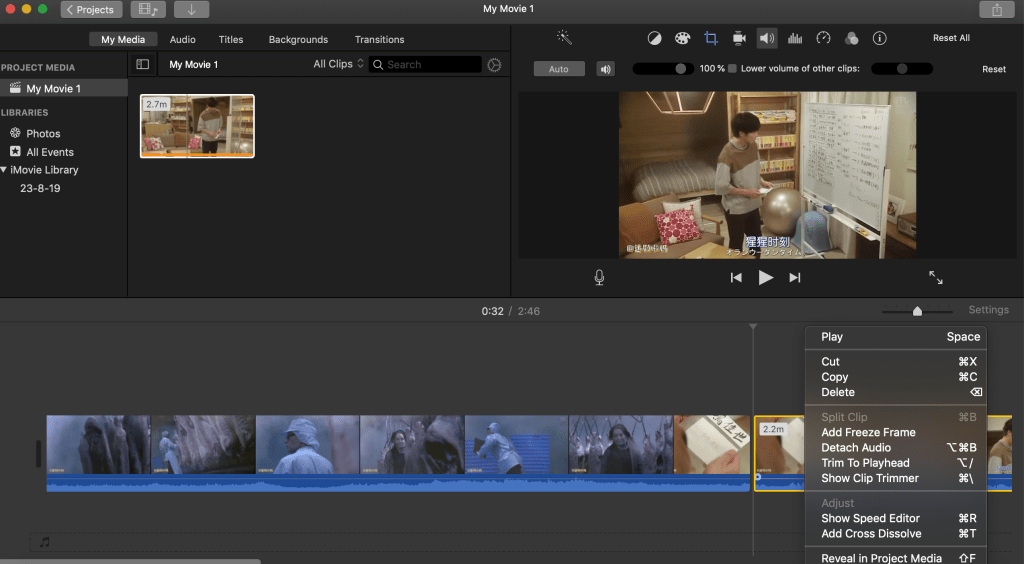
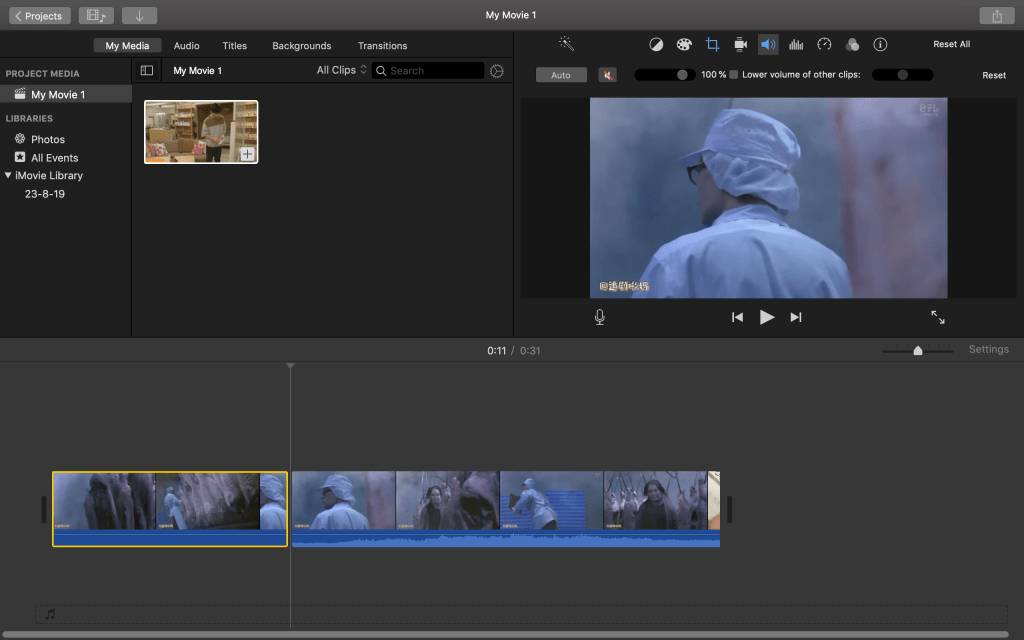
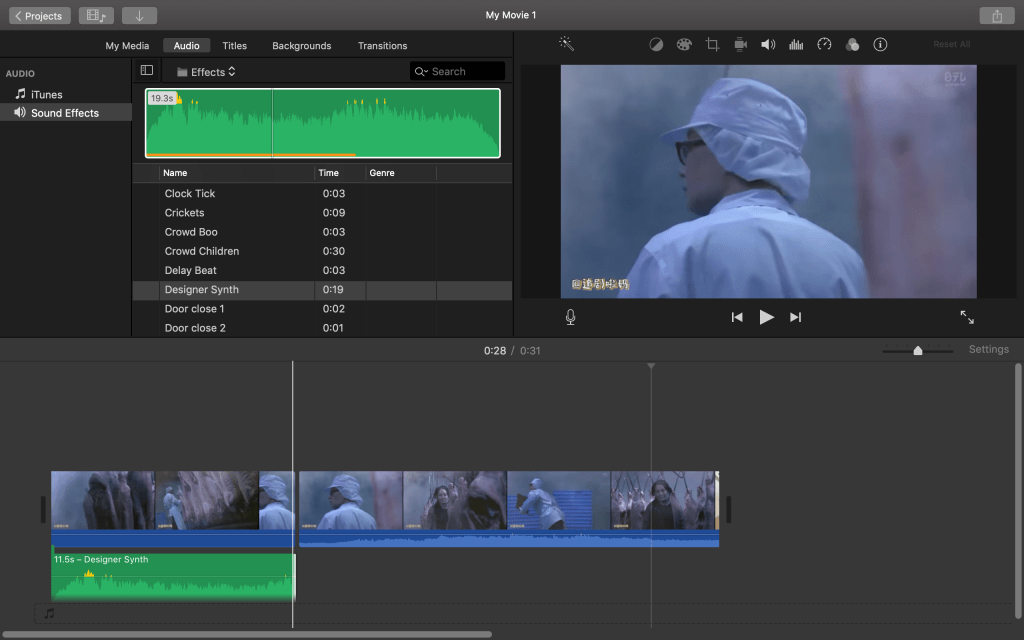
I edited a video which emphasised the multimodality effect in the digital age. Firstly, I chose a Japanese drama video which was called ‘Your Turn To Kill’ from Sina Weibo. Then, I download the video on my laptop and started editing it in iMovie. Secondly, I separated the video into two clips, then chose the scariest parts of the video and deleted the other clip (see figure 1). Thirdly, I muted the sound of the first part of video clip and kept the rest part in order to highlight the next terrifying scene in the video (see figure 2). Finally, I looked for a sound effect which presented a deep feeling and a sense of mystery to audiences in the audio of iMovie and added the audio into my video (see figure 3).
Multimodality refers to combine several different modes together, such as audio and visual text in order to present a better communication way to audiences. Multimodality is widely used in all kinds of fields in the digital age, because the effect of multimodality plays an important part in our lives. Ravelli and Leeuwen (2018) demonstrate that multimodality as a system and the effect of multimodality is a complementary interactional relationship to present a sense of reliability on communication and intensify audiences’ affective responses. For example, in a website, it integrates images, texts, sound and so on to provide a good user experience and improve user engagement in some ways. The video which I edited above is also a multimodality production. In the visual aspect, all scenes of the video integrate a gloomy filter to underline the frightening part. On the other hand, in the auditory aspect, the background music at the beginning clip and the one at the back are quite different. The pitch of the first music is low and bland, however the last music is some horror groan sound and combine with the character screaming to make a contrast between the first and last scene. In these ways, the effect of the multimodality can better present the frightening scene to audiences, it also affects audiences’ mind and bodies to respond. Hardt (2007) reveals that multimodality affect is not only bout how we think, but also about the process how we experience and embody it. Multimodality is the way that we communicate and it affects our bodies and minds and requires us to consider the reasons and emotions.
References
Hardt, M. 2007, ‘The Affective Turn: Theorizing the Social – Foreword: What affects are good for’, Duke University Press, pp. ix-xiii.
Ravelli, L. J. & Van Leeuwen, T. 2018, ‘Modality in the digital age’, Visual Communication,vol. 17, no. 3, pp. 277-279.
Zhuijulama 2019, Your Turn To Kill,video recording, Sina Weibo, viewed 11 September 2019, <http://t.cn/AiY340Tg>.
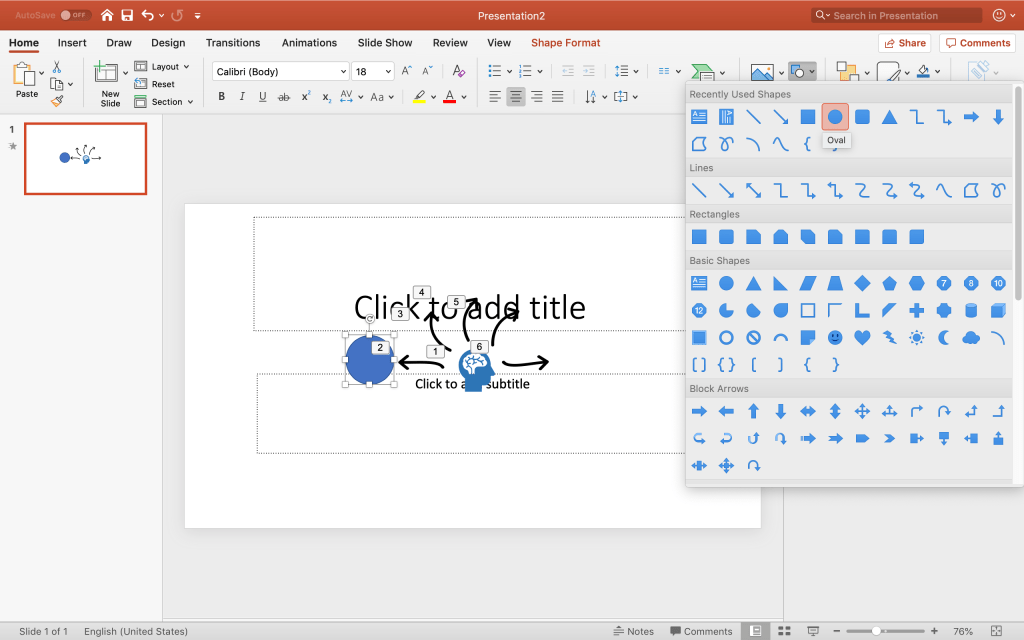
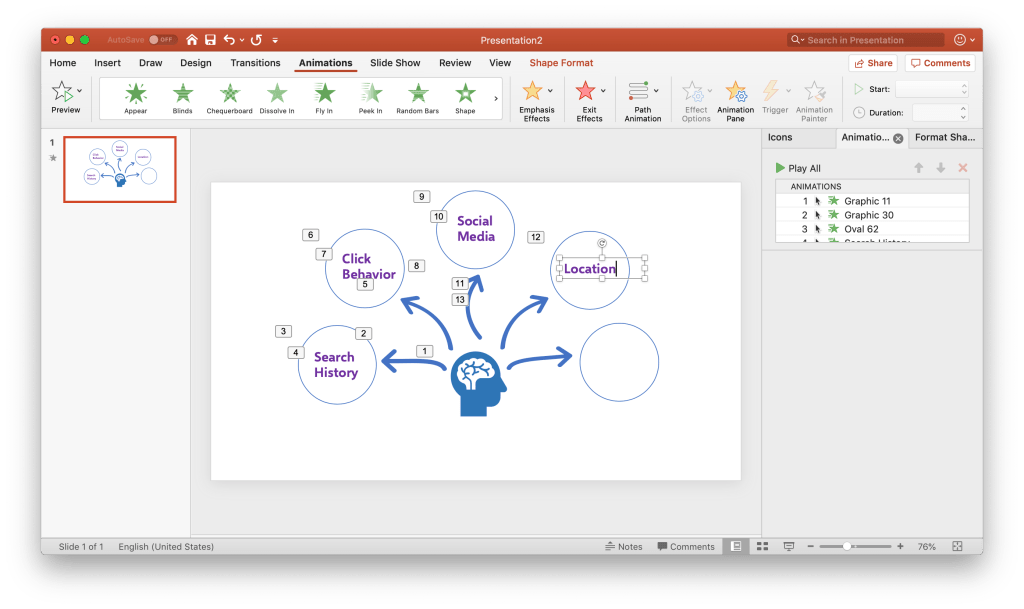
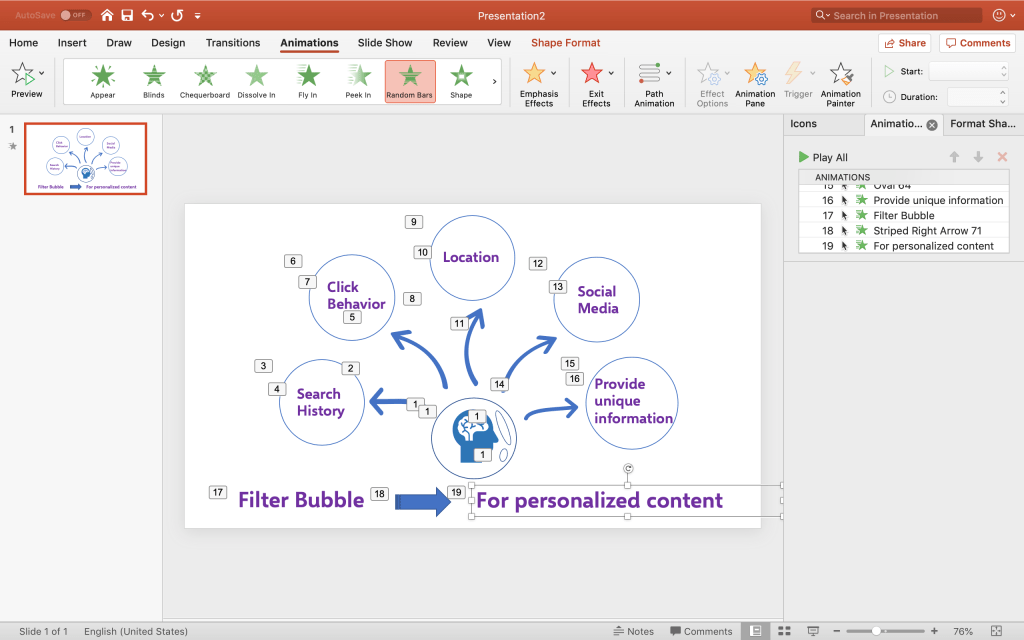
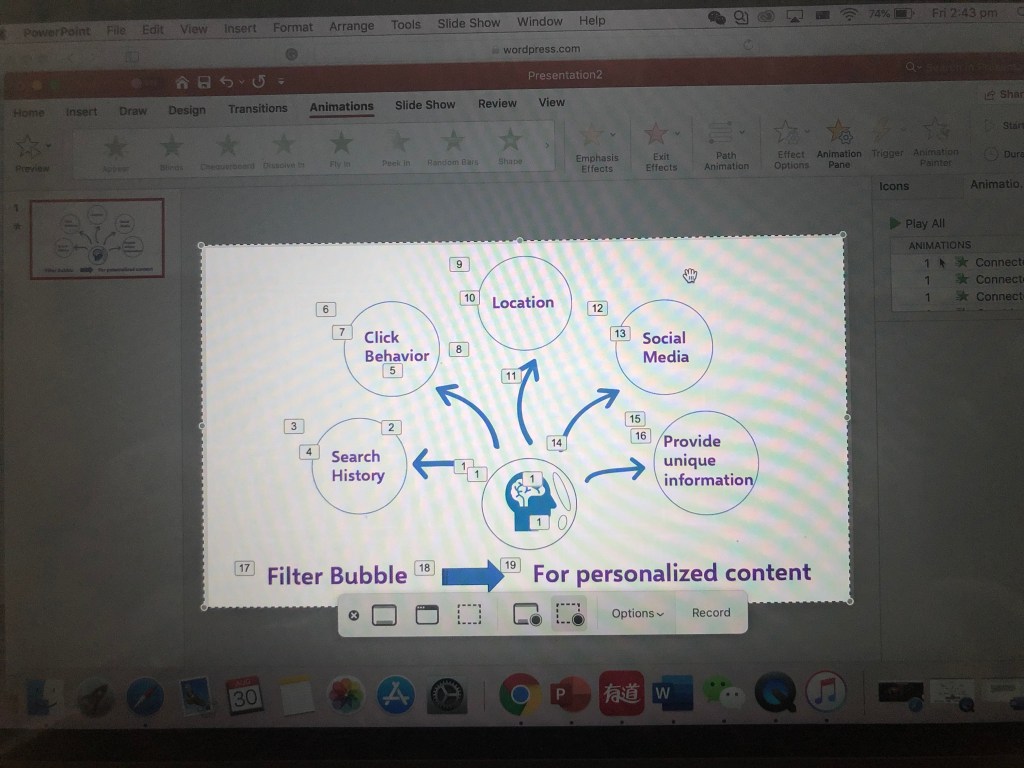
I made a video which presented the idea of filter bubble in the digital age. My video was edited through PowerPoint. Firstly, I started inserting a person icon with a bubble as the filter bubble icon and some arrows icon over and around the person icon on the slide (see figure 1). I also inserted some circles with white colour inside and put them around my filter bubble icon in order to add some text. Secondly, I adjusted the size of all icons and circles and changed the colour of those icons and the edge of all circles into blue to keep a same theme (see figure 2). Then, I typed some text inside those circles and at the bottom of the slide in order to present a better understanding. Thirdly, I added some motions for all icons and text through the ‘Animations’ button. I chose the ‘random bars’ effects and selected ‘1 second fast’ as the timing to make an animation (see figure 3). Finally, I use Quick Time Player to record the animation on my laptop and upload it on YouTube (see figure 4).
Filter Bubble is a theory which companies provide personalized content to users through algorithms analysis on users’ search histories, click behaviours, computer types and locations (Pariser 2011). We use social media to gain information, buy products, share experiences and so on. But at the same time, social media companies collect and analyse users’ usage records to provide unique information to each user. Companies filter the information which users are not interested in and come out the information that users want in order to achieve their business goals. Although these can help users save time on filter some information. Users cannot see the filtered information, that information may be what we need. Because of these, we always live in the filter bubble and cannot see the real world. Ćurković & Košec (2018) suggest that filter bubble should follow transparency and users have rights to choose what information they want, otherwise filter bubble will lead us to the world it already chosen for us. Therefore, we should get out from filter bubble and open our minds to other viewpoints.
References
Ćurković, M. & Košec, A. 2018, “Bubble effect: including internet search engines in systematic reviews introduces selection bias and impedes scientific reproducibility”, BMC Medical Research Methodology, vol. 18, no. 1, pp. 1-3.
Pariser, E. 2011,Beware online “filter bubbles”, TED video, YouTube, viewed 30 August 2019, <https://www.ted.com/talks/eli_pariser_beware_online_filter_bubbles#t-272667>.
Change Healthcare2017, How Can We Bridge the Engagement Gap?, viewed 9 Aug 2019, <https://www.changehealthcare.com/blog/how-can-we-bridge-the-engagement-gap/>.
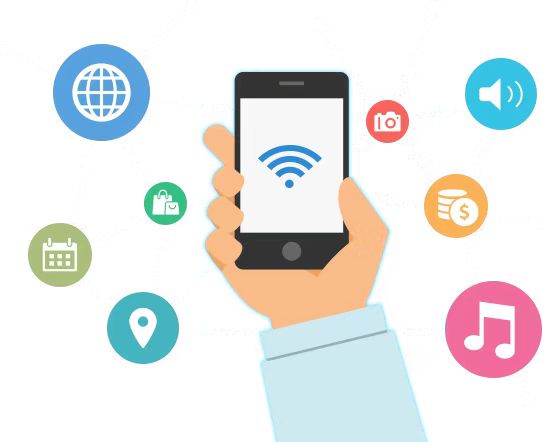
Tokyo Odaiba, Tokyo Odaiba Free Wi-Fi, viewed 9 Aug 2019, <https://www.tokyo-odaiba.net/en/wifi/>.
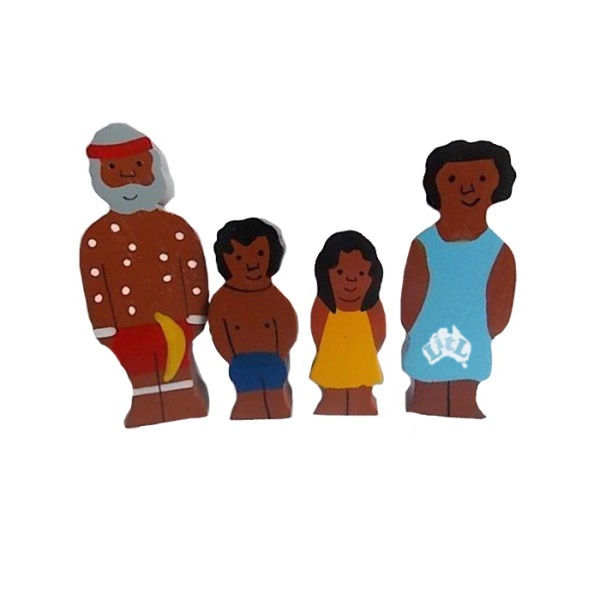
Leave it to Leslie 2014, Aboriginal Family Set of 4, viewed 9 Aug 2109, <https://www.leaveittoleslie.com.au/product/aboriginal-family-set-of-4/>.
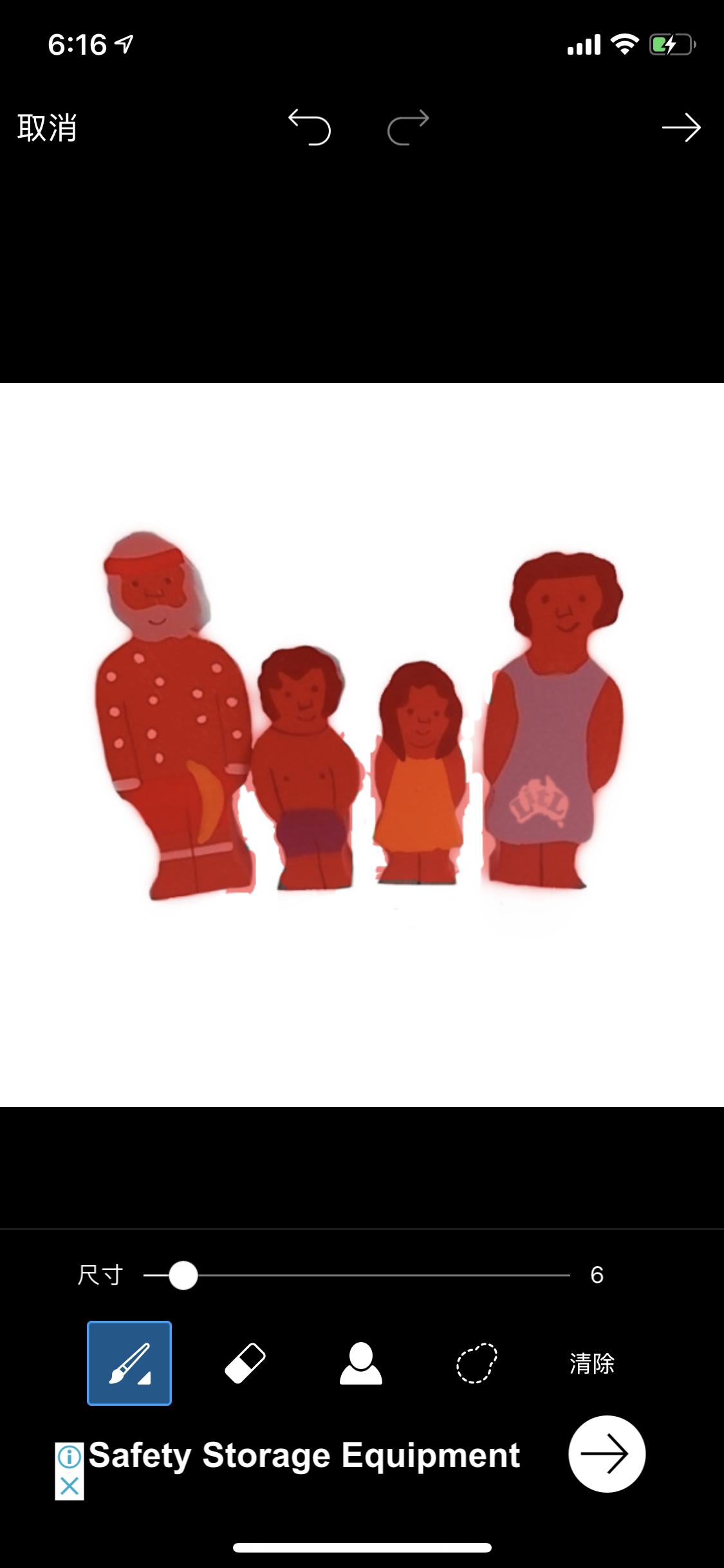
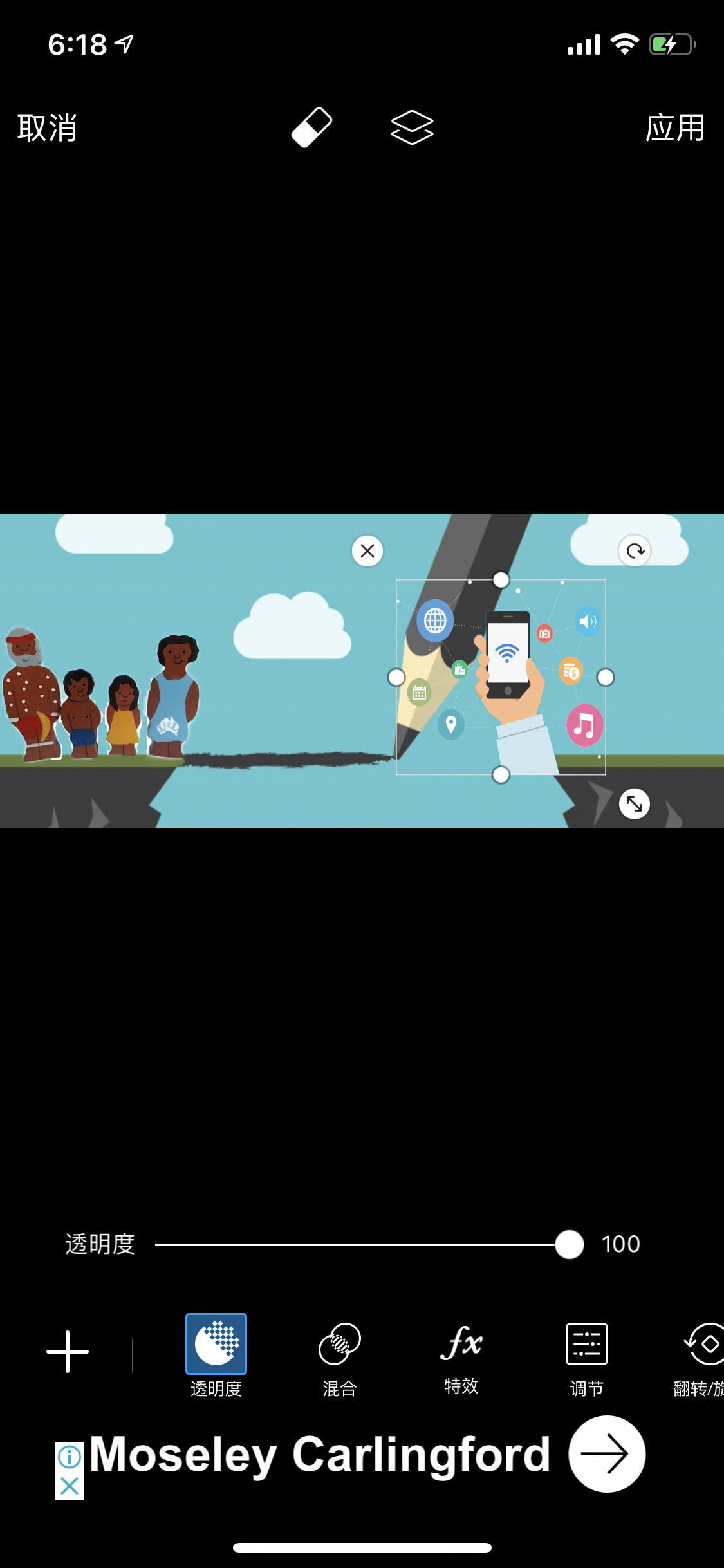
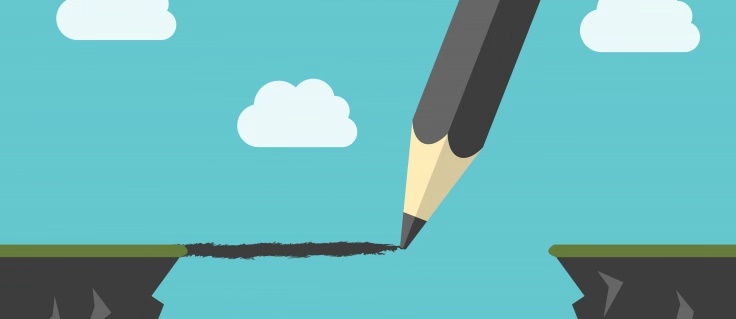
I created a digital image which presents the idea of digital divide between digital natives and Aboriginal communities. I found three images on the internet, the first one show someone is trying to bridge the gap of a cliff (Change Healthcare 2018), the second one presents four carton Aboriginal people (Leave it to Leslie 2014) and the third one reveals the use of internet to digital natives (Tokyo Odaiba). Then, I use a retouching software called ‘PicsArt’ on my mobile phone to edit them. Firstly, I upload the cliff picture as my background on ‘PicsArt’. Secondly, I add the carton Aboriginal people picture on my background, and then I cut along the edges of the people’s shape and adjust its size so that it can fit in the left side of the cliff. Finally, I add the picture which shows digital natives and adjust its size to put it on the right size of the cliff.
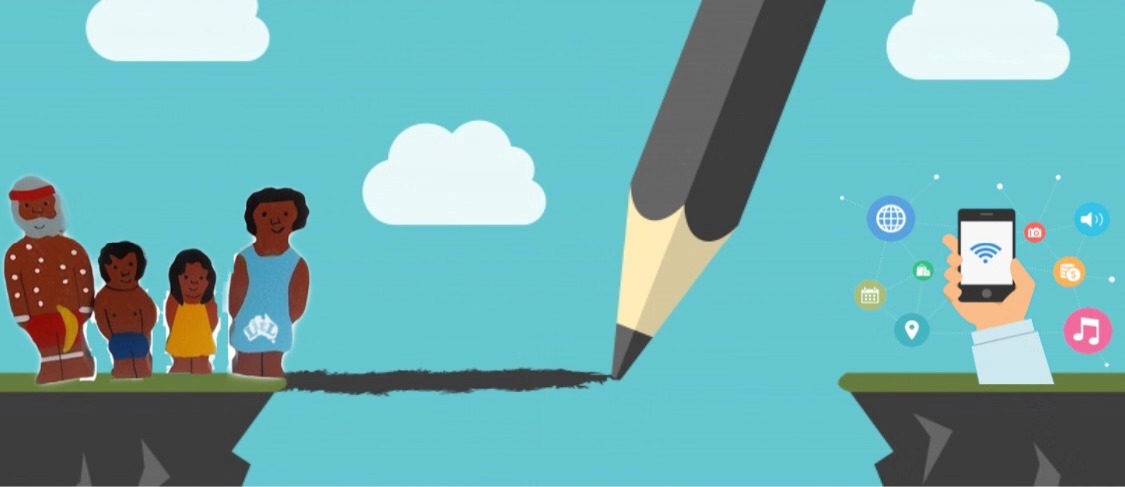
Digital divide refers to the gap between digital natives and the people who do not have abilities and skills of using different kinds of technology devices, especiallyAboriginal communities. Rennie et al. (2016) demonstrates that the digital divide between digital natives and Aboriginal communities due to their living conditions and life styles of Aboriginal people. In my image, it presents digital natives have the skills of using the affordances of internet, however most of the Aboriginal people don’t have those abilities. Therefore, it appears a gap between digital natives and Aboriginal communities. On the other hand, people are trying to build a ‘bridge’ to let Aboriginal communities integrate into the digital age. Rennie et al (2016) also illustrates that in order to solve the digital divide, we need to stand on the side of Aboriginal people and think about their conditions and abilities rather than using costly solutions. We can’t ignore the digital divide, thus I believe we should all try our best to address this issue.
References
Change Healthcare2017, How Can We Bridge the Engagement Gap?, viewed 9 Aug 2019, <https://www.changehealthcare.com/blog/how-can-we-bridge-the-engagement-gap/>.
Leave it to Leslie 2014, Aboriginal Family Set of 4, viewed 9 Aug 2109, <https://www.leaveittoleslie.com.au/product/aboriginal-family-set-of-4/>.
Rennie, E., Hogan, E., Gregory, R., Crouch, R., Wright, A. & Thomas, J. 2016, ‘Internet on the Outstation:The Digital Divide and Remote Aboriginal Communities’, Institute of Network Cultures,pp.13-27.
Tokyo Odaiba, Tokyo Odaiba Free Wi-Fi, viewed 9 Aug 2019, <https://www.tokyo-odaiba.net/en/wifi/>.
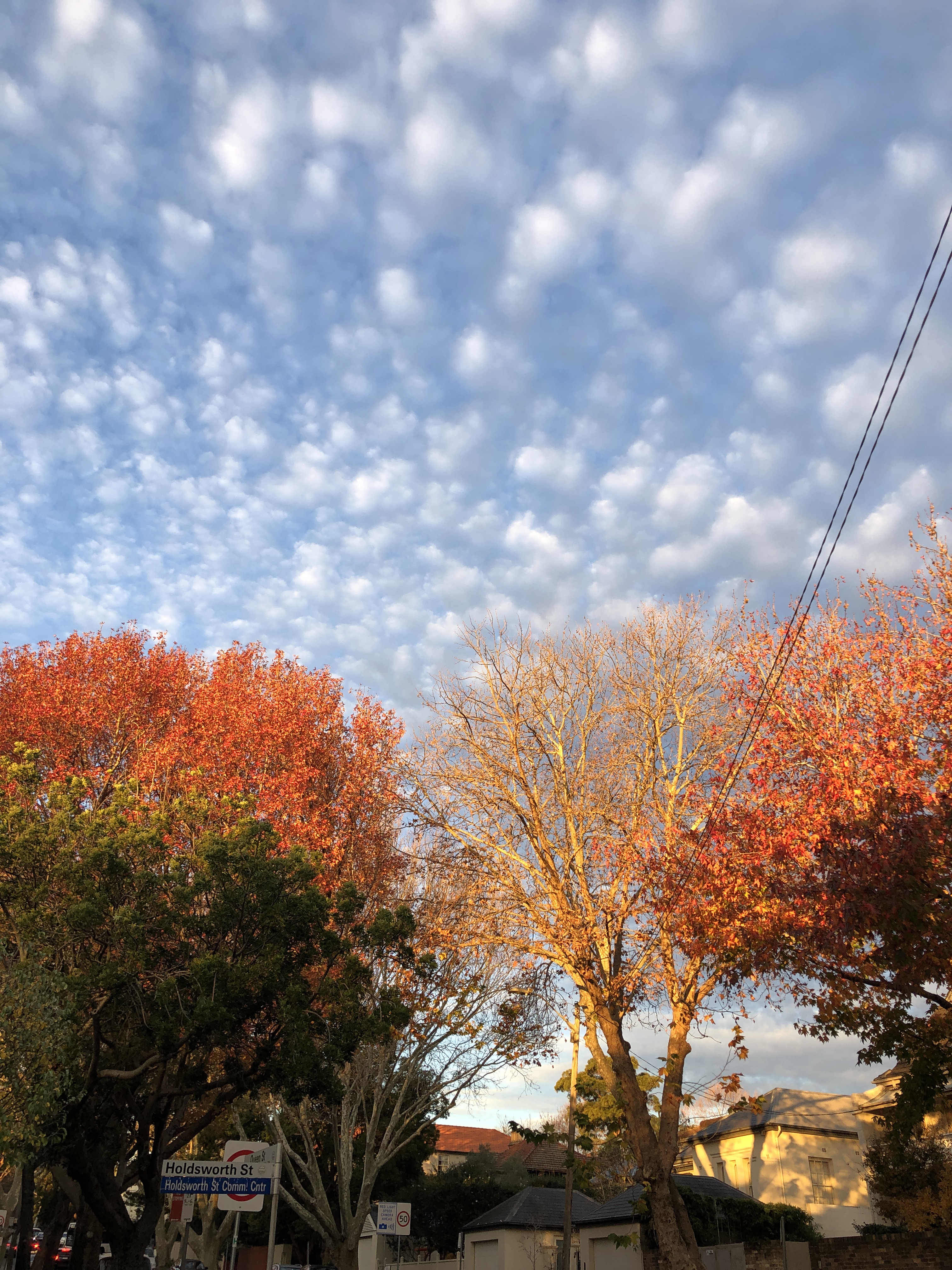
Digital literacy refers to the ability of using digital technologies and different social media platforms to evaluate information correctly (Leaning 2018). Digital literacy can lead us to new knowledge and help us understand and communicate in our daily lives, studies and work. Leaning (2108) demonstrates that digital literacy can help students improve their ability of reading and writing. It is easy to agree with the viewpoint of Leaning (2018) that we use the skills of digital literacy everyday. At school, we do research online, we submit assignments online, we send email to our teachers online… All of these actions require to use our digital literacy skills through using digital technology devices such as, smartphones, desktops, laptops, ebooks, printers and so on. Digital literacy means to provide and receive information through digital outlets such as, Facebook, Instagram, Twitter, YouTube and so on. Using social media is a way of people communicating and expressing their ideas with someone else. Thinking of my own experiences, taking photos and sharing photographs to other people are my hobbies and these hobbies requires me to use my digital technologies phone and camera. Furthermore, I am good at using photoshop and every time I will edit my photos before I share them on my social media account. This process shows my ability of using digital technologies effectively and these are the meaning of digital literacy. I believe that digital literacy is existing in everyone daily life.
Reference
Leaning, M. 2018, ‘An Approach to Digital Literacy through the Integration of Media and Information Literacy’, Media and Communication, vol. 7, no. 2, pp. 4-13.
This is an example post, originally published as part of Blogging University. Enroll in one of our ten programs, and start your blog right.
You’re going to publish a post today. Don’t worry about how your blog looks. Don’t worry if you haven’t given it a name yet, or you’re feeling overwhelmed. Just click the “New Post” button, and tell us why you’re here.
Why do this?
The post can be short or long, a personal intro to your life or a bloggy mission statement, a manifesto for the future or a simple outline of your the types of things you hope to publish.
To help you get started, here are a few questions:
You’re not locked into any of this; one of the wonderful things about blogs is how they constantly evolve as we learn, grow, and interact with one another — but it’s good to know where and why you started, and articulating your goals may just give you a few other post ideas.
Can’t think how to get started? Just write the first thing that pops into your head. Anne Lamott, author of a book on writing we love, says that you need to give yourself permission to write a “crappy first draft”. Anne makes a great point — just start writing, and worry about editing it later.
When you’re ready to publish, give your post three to five tags that describe your blog’s focus — writing, photography, fiction, parenting, food, cars, movies, sports, whatever. These tags will help others who care about your topics find you in the Reader. Make sure one of the tags is “zerotohero,” so other new bloggers can find you, too.

 Vincy's blog